Speak To Attorney Now
(707) 422-1202
SPEAK TO ATTORNEY NOW(707) 422-1202
Speak To Attorney Now
(707) 422-1202 SPEAK TO ATTORNEY NOW(707) 422-1202
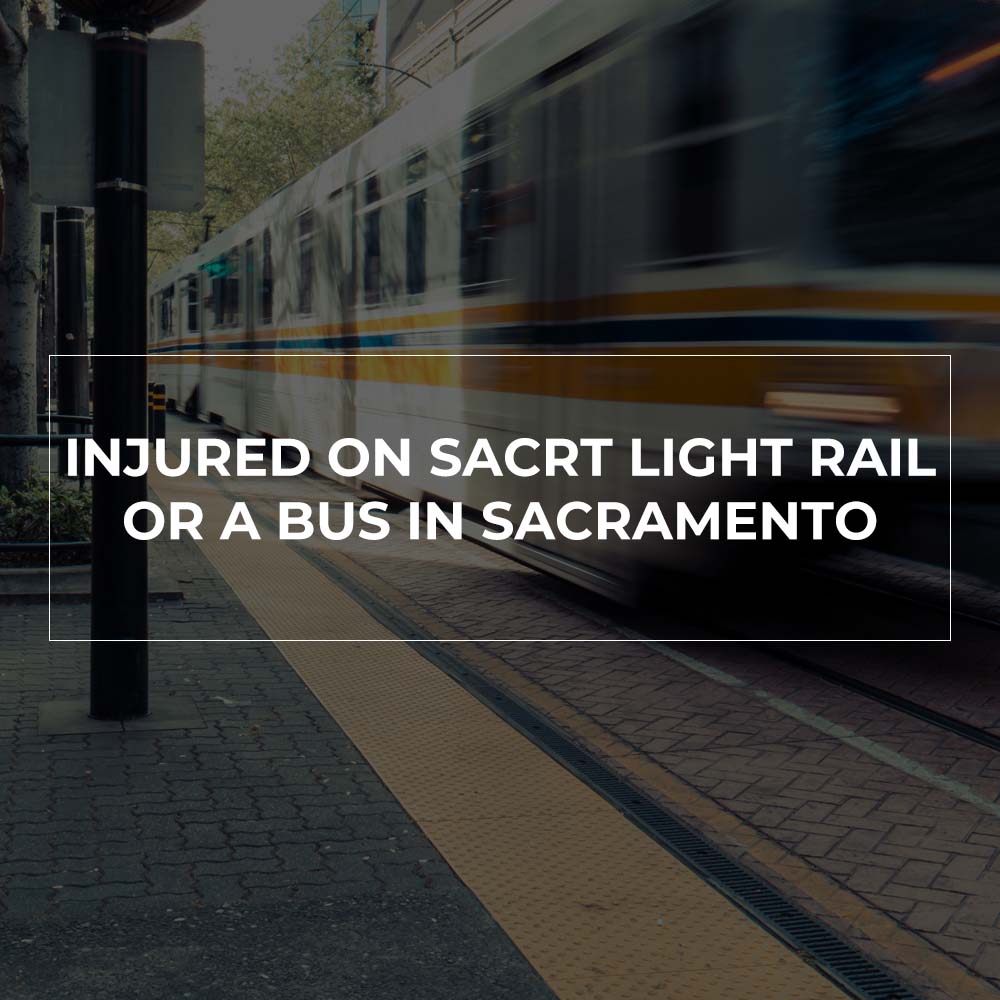
SacRT light rail accident injuries can happen when a sudden stop throws a passenger off balance. They may also occur when a pedestrian is near the tracks or a driver faces a collision at a crossing. You may then face medical bills, missed work, and uncertainty about who should be responsible.
Several parties may need review after a Sacramento transit injury. Depending on the facts, Sacramento Regional Transit, a vehicle operator, another driver, or a maintenance contractor could share responsibility. However, an injury alone does not establish negligence or determine who may hold legal responsibility.
For that reason, you should not assume a transit injury follows the same process as a typical vehicle crash. The circumstances can affect which rules apply and which parties may share responsibility.
After a transit accident, you may face costs that extend beyond immediate medical care. Depending on the facts, a personal injury claim may address certain losses connected to the incident. Available compensation depends on liability, evidence, and the specific harm involved.
Medical expenses can include treatment related to injuries from the incident. For example, medical records can document the care you received and treatment your providers recommend. Future care may also matter when medical evidence supports the need for it.
Lost income can matter when an injury keeps you from working. Reduced earning ability may also affect your losses when the circumstances support that claim. Documentation such as pay records can help show the financial effect of missed work.
A transit collision can damage a car, motorcycle, bicycle, or other personal property. Property losses remain separate from bodily injury losses, and one accident can create both. Still, a claim may include pain and suffering when applicable law allows it. Because every claim is different, the types of compensation can vary.
A SacRT light rail accident can happen in several settings. Passengers may get hurt inside a vehicle, while pedestrians may encounter a train or bus nearby. Drivers and bicyclists can also become involved when transit vehicles share Sacramento streets.
A Sacramento light rail injury does not always result from a direct collision. A passenger may fall after a sudden stop, sharp movement, or unexpected change in direction. Similar circumstances can cause a light rail passenger injury or a bus passenger injury in Sacramento.
Boarding and exiting can also create injury risks when something goes wrong. For example, a passenger could fall while entering a vehicle or stepping onto a platform. However, the circumstances need review before anyone can determine whether another party may have acted negligently.
Pedestrians and bicyclists can encounter transit vehicles near tracks, crossings, stations, and roadways. A pedestrian light rail accident in Sacramento may involve traffic signals, visibility, vehicle movement, or other surrounding conditions. Meanwhile, bicyclists may interact with buses or trains while traveling through shared traffic areas.
Each incident requires attention to what happened immediately before the injury. Witness accounts, available video, traffic controls, and the positions of those involved may help explain the event. Because of that, the location and surrounding conditions can become important when evaluating responsibility.
A SacRT accident in Sacramento can involve a bus or light rail vehicle and another road user. A car, motorcycle, bicycle, or transit vehicle may become part of the same collision. Depending on the facts, another driver’s actions may also contribute to the resulting injuries.
Traffic signals, turning movements, stopping, right-of-way issues, and visibility may all require review. Still, the presence of a transit vehicle does not automatically establish who caused the crash. Evidence from the scene can help clarify how the collision occurred and which parties may need further consideration.
A Sacramento public transit accident can involve several parties, depending on what caused the injury. The transit agency may become relevant when the incident involves vehicle operation, transit property, or another activity under its responsibility. However, the presence of a SacRT vehicle does not automatically make the agency responsible for every injury.
Sacramento Regional Transit may need consideration when facts point to an issue involving a transit vehicle or transit operations. For example, the circumstances could involve how a vehicle operated, how a passenger entered or exited, or a condition connected to transit property. The legal analysis depends on the specific facts, available evidence, and rules that apply to public agencies.
A public agency can also have different legal requirements from a private individual or company. Because of that, identifying the agency early can matter when evaluating an injury claim. We can review the circumstances and consider which parties may need further attention without assuming responsibility before the facts support it.
A transit operator may become relevant when the operator’s conduct contributed to a collision or passenger injury. Investigators may need to examine traffic signals, stopping, turning, speed, visibility, and other circumstances surrounding the event. Witness accounts, video, vehicle records, and other available evidence may help clarify what happened.
Another driver can also contribute to a transit-related collision. A motorist may turn into the path of a bus, fail to follow a traffic signal, or collide with a light rail vehicle at a crossing. Depending on the facts, responsibility may involve the other driver instead of, or in addition to, a transit-related party.
A maintenance contractor may also require review when a mechanical problem or unsafe condition contributed to an injury. For example, records may show who maintained a vehicle, equipment, platform, or other property involved in the incident. This issue can involve transit maintenance negligence, but performing maintenance work alone does not establish legal responsibility.
Contracts can matter because they may define which company handled particular maintenance or repair duties. Records can also establish what work occurred and when it occurred. As a result, identifying the right parties may require more than reviewing the accident report or speaking with the people involved.
Some transit injuries involve several contributing factors rather than one clear cause. A driver, transit operator, agency, or contractor could each become relevant depending on the circumstances. A SacRT light rail accident may therefore require a broader review than a straightforward two-vehicle crash.
The goal is not to assume who caused the injury. Instead, the facts should help identify the parties, duties, and evidence that could affect a potential claim. That review can also help determine whether special rules apply because a public agency may have a role.
A SacRT light rail accident can raise a different deadline question when a public agency may share responsibility. California law generally requires an injured person to present a claim to a public entity within six months of the injury before pursuing a lawsuit against that entity. Exceptions can apply, however, so you should not rely on a general deadline without checking the facts and applicable rules.
Ordinary California personal injury claims generally follow a longer deadline. Claims involving government entities can require action much sooner. California Courts explains the general government claim requirements, including the six-month period that commonly applies to injury claims against public agencies. That shorter period can matter when Sacramento Regional Transit may have responsibility for an injury.
The deadline issue can become more complicated when several parties may share responsibility. For example, another driver or private contractor may face different rules from a public transit agency. Because of that, identifying every potentially responsible party early can help determine which deadlines require attention.
You may have heard that California personal injury claims usually allow two years to file a lawsuit. That general rule does not replace the separate requirements that can apply to government entities. Depending on the circumstances, exceptions may change the applicable deadlines or requirements.
For that reason, an injured person should have the timeline reviewed before relying on a general rule. Our related information about personal injury claims against the State of California provides additional background. If you were hurt in Sacramento County, we can review the circumstances and help you understand which deadlines may apply.
Evidence can help explain what happened after a SacRT light rail accident. It may also help identify the people, companies, or agencies connected to the incident. For that reason, preserving useful information can become important when evaluating a potential claim.
Start with the basic details you remember about the incident. These can include the location, date, time, route, vehicle information, and direction of travel. Photos or video may also show the surrounding area, traffic signals, crossing conditions, or damage from a collision.
Witnesses can provide another source of information about what occurred. If someone saw the incident, their name and contact information may become useful later. Meanwhile, transit records or available video could provide additional information about the events leading to the injury.
Medical records can help connect your treatment to the accident. Bills, appointment records, and information from your healthcare providers can also document the care you received. If you missed work, employment records may help show the financial effect of your injury.
A Sacramento County transit injury can also involve an incident report or other records. Keep copies of documents you receive and write down important details while they remain fresh. However, do not put yourself at risk to collect evidence at an accident scene. Your immediate medical needs should come first.
The available evidence will depend on the circumstances. Even so, photographs, witnesses, medical documentation, and official records can give a clearer picture of what happened.
A transit collision can also become a motor vehicle injury claim when another vehicle joins the accident. A bus or light rail vehicle may collide with a car, truck, motorcycle, bicycle, or pedestrian. Because of that, the circumstances may require the same careful review used for other Sacramento traffic crashes.
Traffic signals, turning movements, right-of-way, stopping, and visibility may all affect responsibility. Meanwhile, the evidence may involve vehicle damage, witness statements, photographs, medical records, and official reports. Depending on the facts, another driver’s actions could contribute to the injuries even when a transit vehicle remains involved.
If your injuries resulted from a collision involving a transit vehicle and another road user, you can review our information about working with a car accident lawyer in Sacramento. We can also review how the transit-related circumstances may affect the issues that need attention. Each situation requires a fact-specific review before anyone can determine who may be responsible.
We help injured people understand their options after accidents in Sacramento County. Our personal injury cases include car accidents, truck accidents, motorcycle crashes, premises liability, slip and fall accidents, dog bite injuries, catastrophic injuries, and wrongful death. From our Del Paso Blvd office, we approach each matter by looking closely at the facts.
Our Sacramento office is at 1438 Del Paso Blvd, Sacramento, CA 95815. You can learn more about our Sacramento personal injury services or review the personal injury cases we handle. We also offer free consultations so you can discuss what happened and understand the issues that may affect your claim.
We know you may have questions about responsibility, evidence, deadlines, and insurance after an accident. Our role is to listen to your situation and explain the legal issues in straightforward terms. For personal injury matters, our message is straightforward: No fee until we win.
If you were hurt while using Sacramento public transit or in a related traffic collision, call (916) 306-0636 for a free consultation. We can discuss the circumstances and help you understand what to consider next.
A SacRT light rail accident can leave you with questions about responsibility, evidence, and deadlines. Because public agency claims can involve different rules, early review may help you understand the issues affecting your situation. At the same time, another driver, operator, or contractor could also require consideration.
If you were hurt in Sacramento County, we can listen to what happened and explain the legal issues that may apply. You can also contact The Choyce Law Firm to schedule a free consultation. Our Sacramento office is at 1438 Del Paso Blvd, Sacramento, CA 95815.
Injured and unsure what to do next? Call (916) 306-0636 for a free consultation. We handle personal injury matters with a No fee until we win message.